
AHA, BHA, or PHA – which peel is right for my skin?
Chemical peels are among the most effective methods to visibly refine the complexion. Unlike mechanical peels with abrasive particles, fruit acids and other exfoliating active ingredients remove dead skin cells from the skin's surface particularly evenly and controllably. Not every peel suits every skin type. While some acids specifically target blackheads and blemishes, others provide more glow, moisture, or particularly gentle exfoliation for sensitive skin.
The most important representatives of modern chemical peels are: AHA (Alpha Hydroxy Acids), BHA (Beta Hydroxy Acids), PHA (Polyhydroxy Acids). This guide explains the differences and helps you find the right peel for your individual skin needs.
What are chemical peels?
Chemical peels remove dead skin cells from the skin's surface using acids or enzymes, thereby supporting your natural skin renewal.
Regular exfoliation is helpful for:
- clogged pores
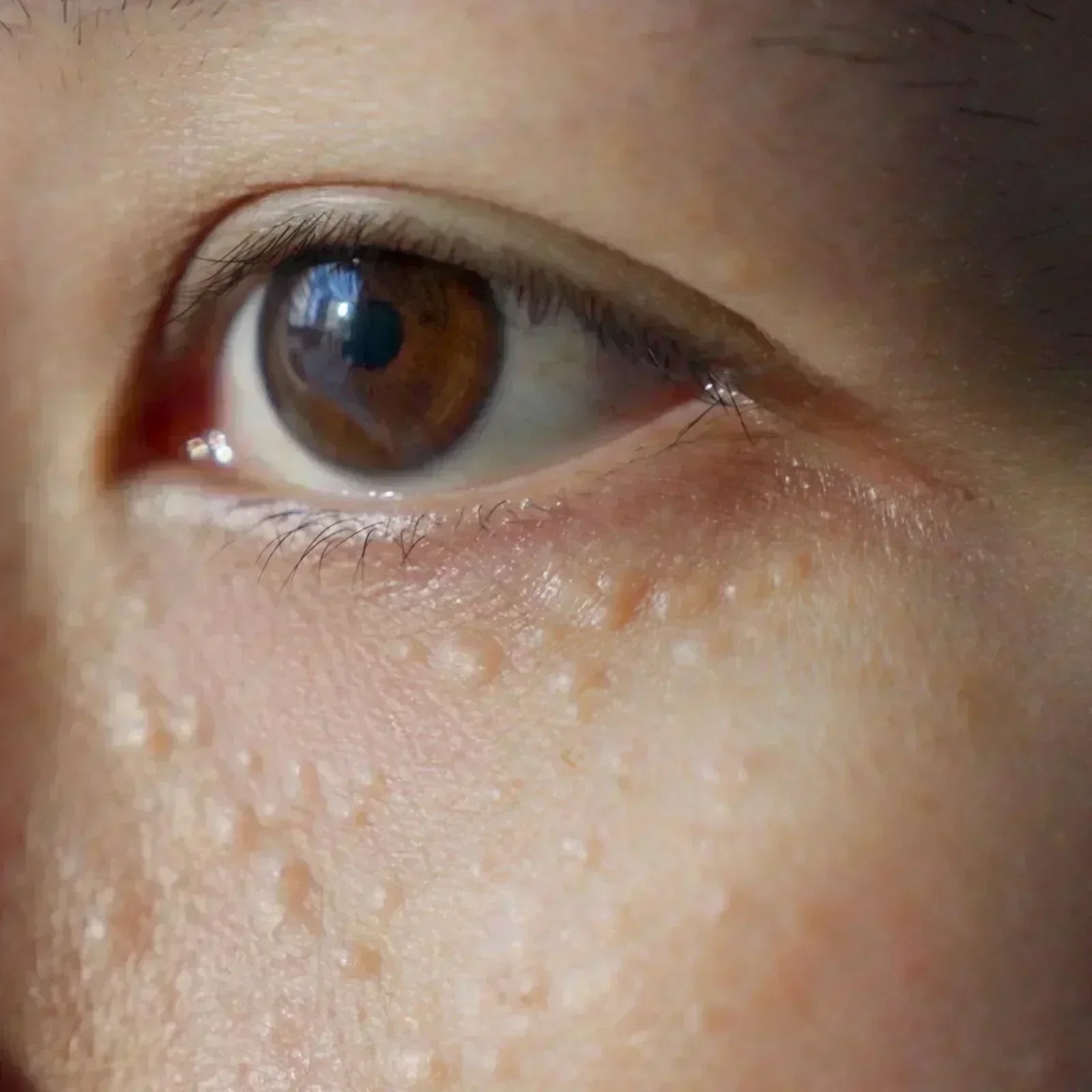
- blackheads and blemishes
- dull complexion
- hyperpigmentation
- uneven skin texture
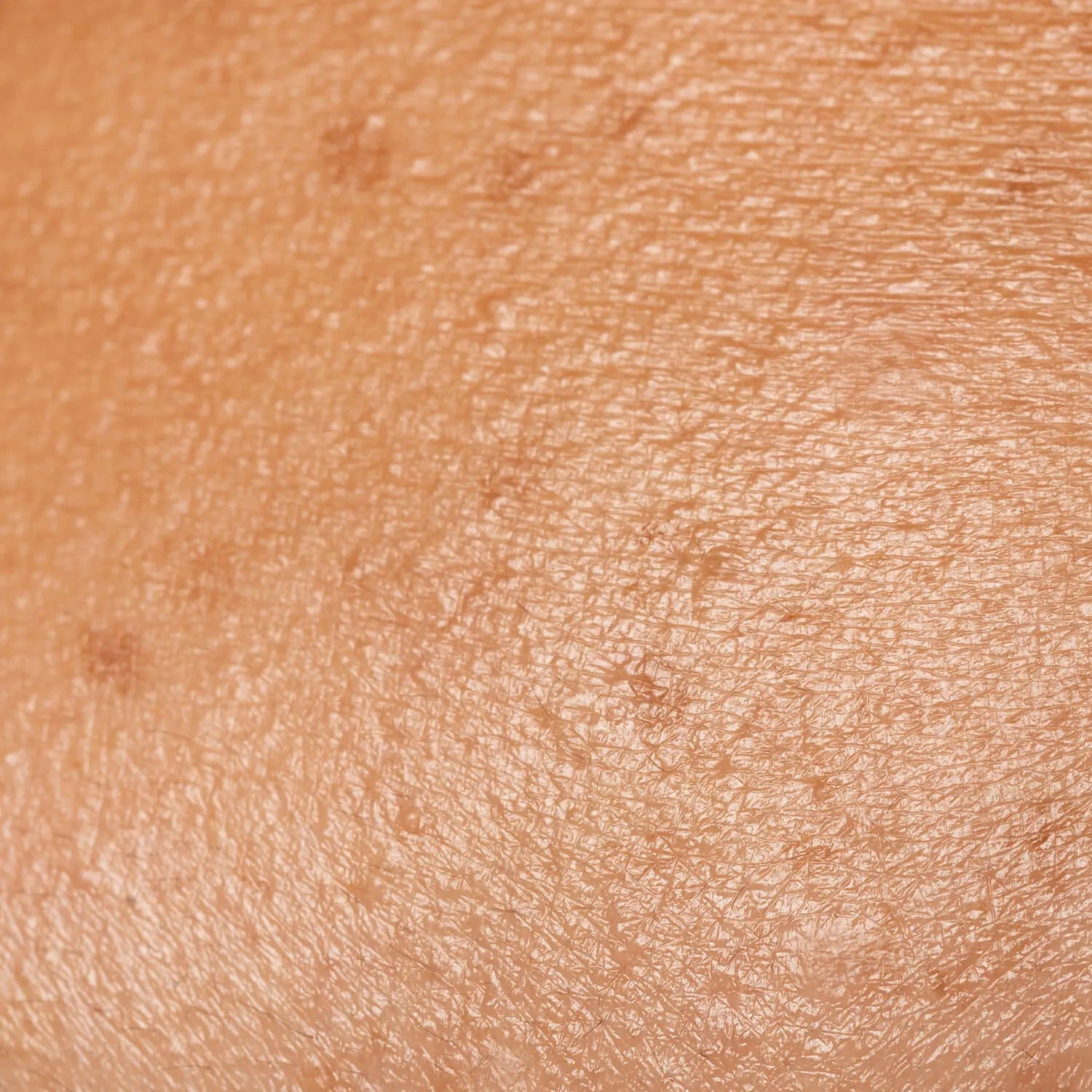
- dry skin flakes
- visible signs of aging
In contrast to coarse mechanical peels, chemical peels work much more evenly and gently on the skin when applied correctly.
AHA – Fruit acids for intensive skin renewal and hyperpigmentation

AHA stands for Alpha Hydroxy Acid. Among the best-known AHAs are glycolic acid, lactic acid, and mandelic acid. AHAs primarily work on the skin's surface and help to shed dead skin cells.
Not all fruit acids are equally potent. The myrto AHA Peel deliberately combines 5% glycolic acid, 1% lactic acid, and 4% gluconolactone (PHA). Due to their differing molecular sizes, the three acids complement each other optimally: The particularly small glycolic acid provides effective exfoliation and supports skin renewal. The slightly larger lactic acid works as a gentler complement and simultaneously promotes the skin's moisture retention. The significantly larger gluconolactone (PHA) exfoliates particularly gently, strengthens the skin barrier, and also has moisturizing and antioxidant properties. This balanced combination creates an effective multi-acid peel that visibly smooths and refines the skin without unnecessarily stressing the skin barrier.
For which skin problems are AHAs used?
- dull skin
- hyperpigmentation
- sun-damaged skin
- fine lines
- dry skin
- uneven skin texture
After using AHAs, the skin appears smoother, more even, and fresher.
Who are AHAs suitable for?
AHAs are particularly suitable for normal and dry skin, as well as for hyperpigmentation and visible signs of aging. However, in higher doses, AHAs can irritate very sensitive skin or compromised skin barriers.
BHA – Salicylic acid for blackheads and blemishes

BHA usually stands for salicylic acid. Salicylic acid is considered one of the most effective and well-researched active ingredients for clogged pores, blackheads, and blemish-prone skin. In dermatological practices, concentrations of 20 to 30% salicylic acid are sometimes used in professional peels. However, such applications are only short-term under expert supervision and are often associated with significant skin irritation, flaking, and impairment of the skin barrier.
The myrto BHA Peel, on the other hand, relies on a skin-friendly concentration of 2% salicylic acid. This corresponds to the maximum permissible concentration for over-the-counter leave-on products in the EU and allows for effective pore cleansing with significantly better skin tolerance. The formulation is additionally complemented by soothing and moisturizing plant-based active ingredients and completely dispenses with alcohol, fragrances, and other potentially irritating additives.
For daily skincare, the highest possible concentration is not decisive, but rather a long-term well-tolerated application. Especially sensitive or irritation-prone skin often benefits more from a barrier-friendly, moderate, and regular exfoliation than from aggressive high-concentration peels.
Unlike AHAs, BHAs are oil-soluble. This allows salicylic acid to penetrate deep into the pores and dissolve excess sebum and keratinization there.
For which skin problems are BHAs used?
- blackheads
- clogged pores
- blemish-prone skin
- oily skin
- under-the-skin bumps
- inflammatory pimples
Salicylic acid in a skin-friendly concentration of 2% also has a soothing effect and can reduce redness. BHA is particularly useful for oily skin, combination skin, acne, and enlarged pores.
PHA – the particularly gentle alternative
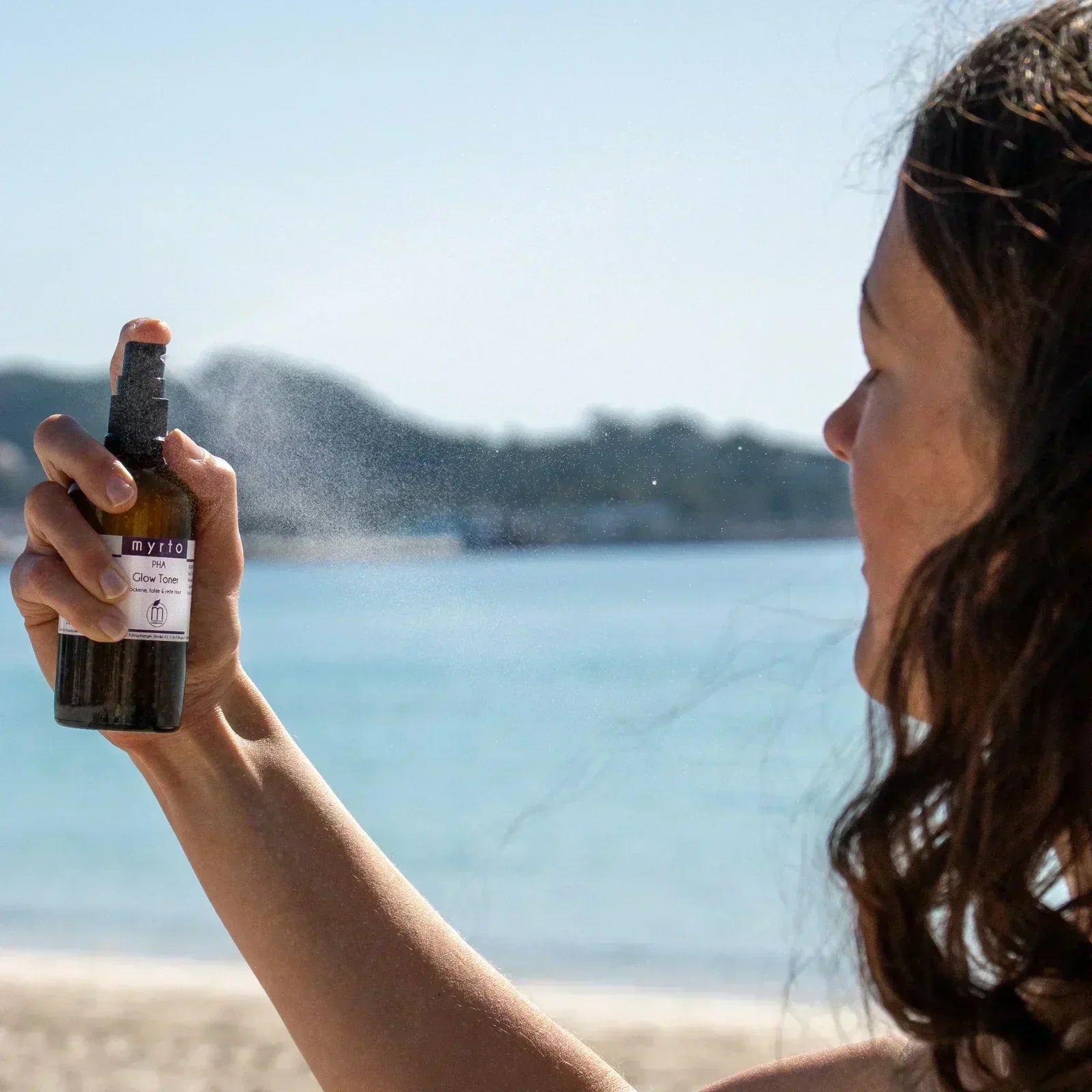
 PHA stands for Polyhydroxy Acids. Gluconolactone, which is contained in our PHA Glow Toner, is particularly well-known. PHA is considered the mildest form of chemical peel. PHAs have a larger molecular structure than AHA or BHA. As a result, the molecules penetrate deeper into the skin more slowly and remain more on the surface. This makes exfoliation particularly gentle.
Effect of PHA
- more glow
- gentle skin renewal
- moisture retention
- smoother skin surface
- support for the skin barrier
PHAs like gluconolactone also have antioxidant properties. PHA is particularly suitable for sensitive skin, dry and dull skin, rosacea and neurodermatitis-prone skin, as well as sensitive combination skin. PHA is also usually better tolerated than traditional fruit acids when the skin barrier is compromised.
AHA, BHA, and PHA in direct comparison

| Property | AHA | BHA | PHA |
|---|---|---|---|
| Solubility | water-soluble | oil-soluble | water-soluble |
| Effect | Surface | Pores | Surface |
| Suitable for | skin renewal, hyperpigmentation | blackheads, blemishes | sensitive skin |
| Irritation potential | medium | medium | low |
| For beginners | conditional | conditional | very good |
Which peel suits which skin type?
For blemish-prone and oily skin: BHA is usually the best choice. Salicylic acid can dissolve excess sebum and visibly clear pores.
For dry and dull skin: AHAs help to remove dry skin flakes and make the complexion appear fresher.
For sensitive skin: PHAs are considered the gentlest option. Sensitive skin, in particular, benefits from an even glow through very mild exfoliation without irritation.
For rosacea-prone skin: Strong AHA or BHA peels can overwhelm sensitive skin. Mild PHA formulations without alcohol or fragrances are usually tolerated much better.
How often should chemical peels be used?
- sensitive skin: 1–2 times per week
- normal skin: 2–4 times per week
- mild PHA products: daily use possible
Gradual acclimatization of the skin is important. Too frequent exfoliation can weaken the skin barrier and promote irritation.
Why formulation is crucial for skin tolerance
Not only the acid itself determines compatibility, but also other factors such as:
- pH value
- concentration
- alcohol content
- fragrances
- emulsifiers
- preservative system
- soothing active ingredients
Sensitive skin, in particular, benefits from minimalist, low-irritant formulations without unnecessary additives such as alcohol, emulsifiers, or fragrances.
Conclusion: Which acid is right for you?
The choice of the right peel depends heavily on your individual skin condition.
- AHA is suitable for intensive skin renewal and treatment of hyperpigmentation.
- BHA is ideal for clogged pores and blemishes.
- PHA gives sensitive skin an even glow without stressing the skin barrier.
The key is not the strongest possible exfoliation, but rather regular and skin-friendly application that keeps your natural skin barrier intact.