
Skip to content
Lamellare Emulsionen bei Neurodermitis – Hautbarriere aufbauen statt schwächen

Lamellar Emulsions for Atopic Dermatitis – Rebuilding the Skin Barrier Instead of Weakening It

Especially with atopic dermatitis, the fundamental concept of the formulation primarily determines the success of the care. While conventional creams are based on classic emulsifiers, lamellar emulsions represent a fundamentally innovative approach: microscopically small, lamellarly arranged lipid structures are stacked in numerous, extremely thin double layers between the cells of the stratum corneum. They correspond to the lamellar structure of the skin barrier and biomimetically mimic it.


As a reminder: The skin barrier, as the protective surface of the epidermis, consists of dead horny cells, which – like a brick wall – are firmly connected by a lipid mortar. This mortar consists of fatty acids, cholesterol, and ceramides.

The innovative skin-identical lamellar technology is ideally suited particularly for dry skin and a weakened skin barrier, but especially for a severely damaged skin barrier, as typically found in atopic dermatitis.

Corneotherapy for Atopic Dermatitis – Focusing on the Skin Barrier

myrto Grapeseed Face Cream Combination Skin
The principle of lamellar skin care is closely linked to corneotherapy. Corneotherapy is a skin-physiological care concept that focuses on the stratum corneum – the horny layer – and its natural barrier function. The term is derived from "corneum", the horny layer, and "therapy".


The goal of corneotherapy for atopic dermatitis is to stabilize the damaged skin barrier as sustainably as possible and to support its natural regeneration. Instead of merely covering the skin superficially with a layer of fat, the structure of the stratum corneum is specifically supported. A largely intact skin barrier helps to minimize water loss and to hinder the penetration of irritants and allergens.

DMS creams with a lamellar structure play a special role in corneotherapy. DMS stands for Derma Membrane Structure. In DMS creams, the lipids are not distributed as individual oil droplets surrounded by emulsifiers and dispersed in an aqueous solution, as in a classic emulsion. Instead, ordered lamellar lipid structures are formed, which biomimetically mimic the layered structure of lipids in the natural skin barrier.

Thus, DMS creams and corneotherapy pursue the same fundamental goal: to support the skin barrier in a skin-physiological manner as much as possible. Especially for atopic dermatitis, dry and very sensitive skin, this barrier-oriented approach is of crucial relevance.

The Problem with Atopic Dermatitis: A Damaged Skin Barrier

Atopic Dermatitis | Myrto natural cosmetics

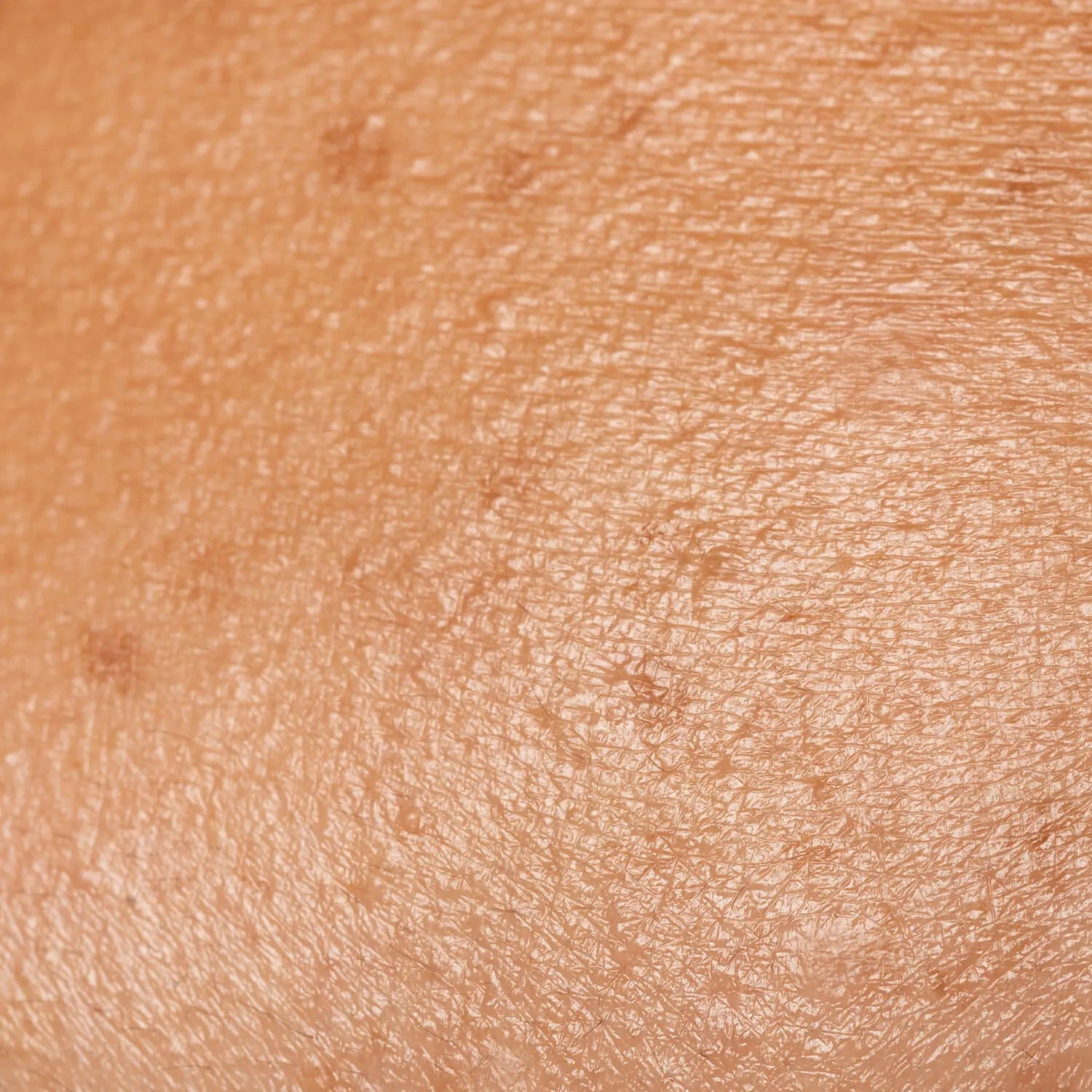
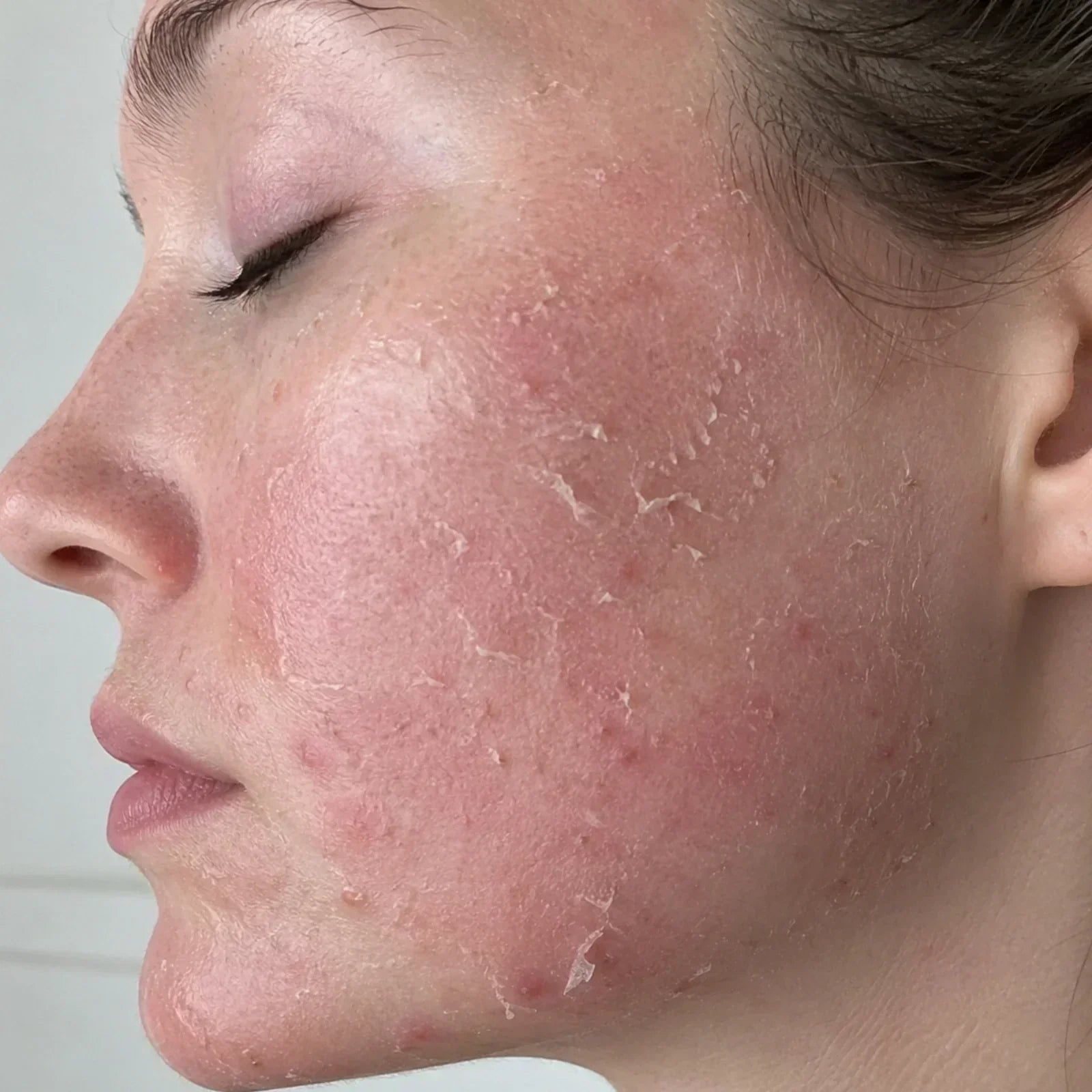
The porous, disturbed skin barrier of people with atopic dermatitis shows not only a deficiency but also an incorrect distribution of individually missing ceramides and other barrier lipids. What are the consequences?

  • Water evaporates faster (increased transepidermal water loss)

  • Irritants and allergens penetrate more easily

  • Inflammation is promoted

  • The skin reacts sensitively to external influences

Therefore, the most important goal of suitable care is to supplement a porous skin barrier as naturally as possible in a three-dimensional, firmly structured network.

Classical Emulsifier Creams and Their Long-Term Effects

Most creams contain emulsifiers that combine the water phase and oil phase into a permanent, stable mixture. These surface-active substances have a polar structure. They possess a hydrophilic (water-loving) head with affinity for water and a lipophilic (fat-loving) tail with affinity for oil. This is precisely how they can permanently combine fat and water in a classic cream. The emulsifiers form a simple, disordered protective film around each oil droplet.

The problem:

Emulsifiers do not only combine oily and aqueous components of a cream. Emulsifiers also combine with the skin's own lipids/fats of the skin barrier and have the ability to detach them from their firm association. Upon subsequent contact with water – for example, when washing hands or showering – the skin lipids bound to emulsifiers, which have been detached, are washed out of the barrier layer.

This so-called wash-out effect has been discussed for many years in dermatological literature. The consequences of the wash-out effect are detrimental to any skin, but particularly severe for sensitive skin and skin diseases like atopic dermatitis with a weakened skin barrier.

The long-term consequences of the wash-out effect are:

  • further loss of already scarce barrier lipids

  • increasing skin dryness

  • tightness

  • increased skin permeability

  • increased sensitivity to irritants

Therefore, especially with atopic dermatitis, emulsifier-free care products with a lamellar structure are important to regenerate the disturbed skin barrier.

Emulsifier-Free Creams with Lamellar Structure

Classical emulsifiers consist of a hydrophilic (water-loving) head and a lipophilic (fat-loving) tail. The natural skin barrier, on the other hand, consists of ordered lipid lamellae. This differing foreign structure of classical emulsifier systems explains why they cannot strengthen the skin barrier.

Instead of classical emulsifiers, lamellar emulsions are based on a skin-identical lamellar structure that corresponds to the natural structure of the skin barrier. The numerous stacked, extremely thin lipid double layers between the horny cells lie one above the other like pages of a book or the layers of an onion.

This lamellar arrangement offers particular advantages:

  • transepidermal water loss is minimized, so that water is better retained in the skin

  • irritants and harmful microorganisms cannot penetrate from outside

  • the skin remains flexible and smooth and youthful for a long time

What are DMS Creams?

Myrto DMS Creams without Emulsifiers | Intact Barrier Function without Wash-Out Effect

DMS creams (Derma Membrane Structure) are creams with a lamellar structure that is based on the natural composition of the skin barrier. Their lipids form finely layered membrane structures that resemble the lipid lamellae between the horny cells. Therefore, DMS creams are used particularly in connection with corneotherapy and barrier-oriented skin care.

The decisive difference to classical emulsifier creams thus lies not only in the ingredients used but in the structure of the entire formulation. While classical emulsions stabilize oil and water with the help of emulsifiers, lamellar DMS creams are based on the natural membrane and layered structure of the skin barrier.

For corneotherapy in atopic dermatitis, this difference is particularly relevant. An already damaged skin barrier should not be further defatted, but rather supported by suitable lipids and lamellar structures. DMS creams thus combine the innovative principle of lamellar skin care with the central idea of corneotherapy: building and stabilizing the skin barrier instead of additionally burdening it.

No Wash-Out Effect

Since lamellar emulsions do not contain classical emulsifiers, their emulsifying effect with the skin's own lipids is also eliminated.

This prevents, in very dry, atopic skin,

  • that further skin lipids are removed during washing,

  • that the already weakened barrier becomes even more porous,

  • that transepidermal water loss increases ever further.

Conclusion: Strengthening the Skin Barrier with Emulsifier-Free Care

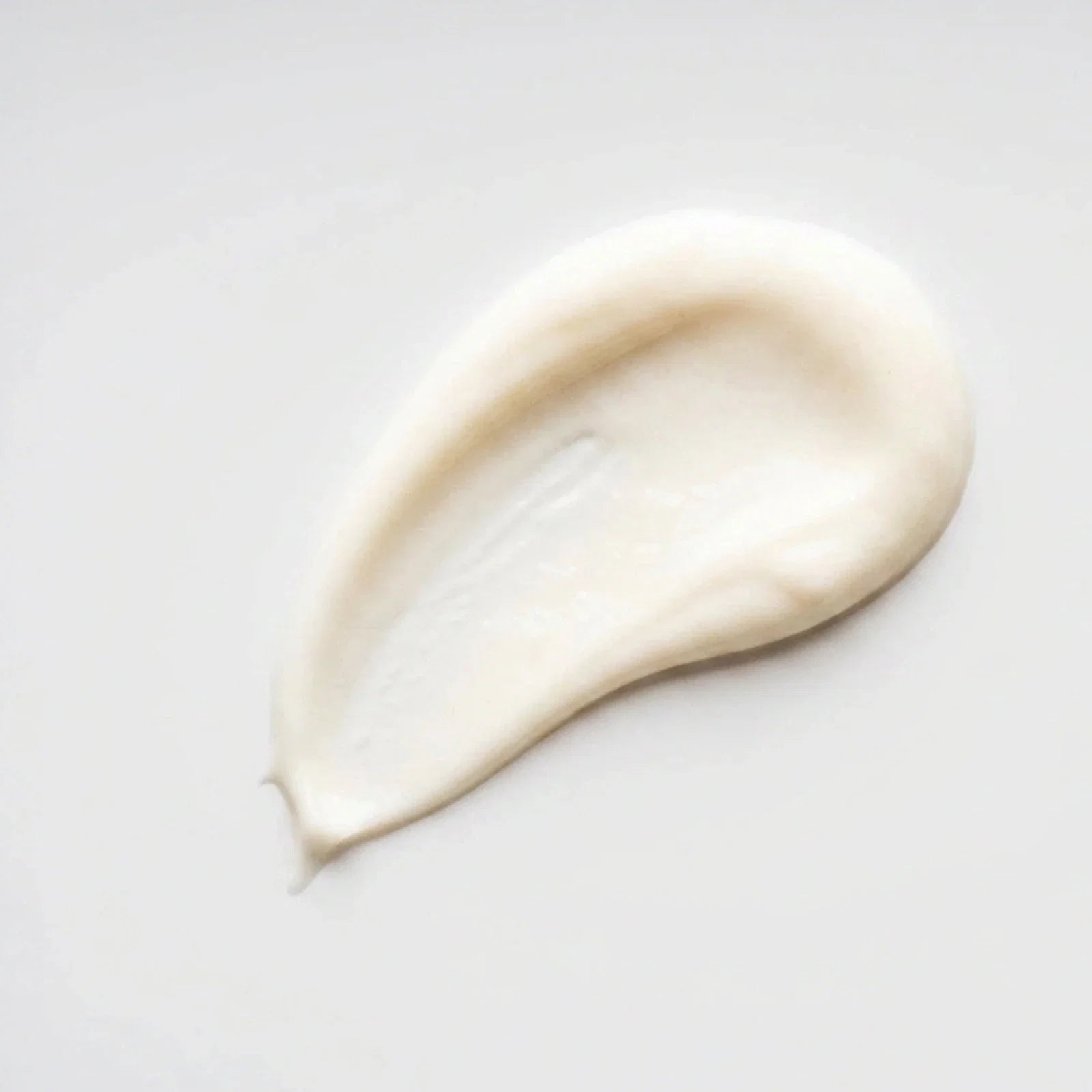
For atopic dermatitis, an intact skin barrier is particularly important. Suitable care should therefore not only provide moisture and lipids but also fit as well as possible into the natural structure of the stratum corneum and not additionally burden the already weakened barrier. The Ceramide Soothing Mask, with 45% lipid content and DMS structure, supports the regeneration of the skin barrier and protects against further moisture loss.

This idea corresponds to the principle of corneotherapy: instead of merely caring for the skin superficially, the stabilization and regeneration of the stratum corneum are paramount. An important approach for this is our lamellar DMS creams (Derma Membrane Structure), whose lipid structures biomimetically correspond to the layered structure of the natural skin barrier.

This is precisely where the innovative emulsifier-free care concept from myrto Naturkosmetik comes in. Instead of traditional emulsifiers, lamellarly arranged, skin-identical lipid structures are used, which mimic the natural layered structure of the skin barrier. Phosphatidylcholine and plant lipids support the regeneration of the lipid barrier, while beta-glucan also has a calming and moisture-binding effect. At the same time, the wash-out effect of barrier lipids associated with classic emulsifiers is avoided.

This biomimetic approach is more than just avoiding emulsifiers: it follows the principle of barrier-oriented skin care, where the formulation itself is adapted to the natural architecture of the skin. Thus, the myrto care concept combines essential basic ideas of corneotherapy with the modern technology of lamellar DMS creams. This makes the concept particularly interesting for dry, very sensitive, and atopic-prone skin.

BSFZ Seal | myrto Natural Cosmetics

The innovative achievement behind this technology was also recognized by the state: In 2024, myrto Naturkosmetik received a funding award from the Federal Ministry of Education and Research (BMBF) for the development of its innovative emulsifier-free, lamellar emulsion technology. The award thus highlights myrto's own research work, with which it develops its skin-barrier-friendly formulations in its own manufacturing facility.

Frequently Asked Questions about Atopic Dermatitis, DMS Creams, and Corneotherapy

What is disturbed in the skin barrier with atopic dermatitis?
In atopic dermatitis, the natural skin barrier is weakened. The composition and arrangement of important barrier lipids like ceramides can be altered. As a result, the skin loses moisture more easily, while irritants and allergens can penetrate more readily. The skin becomes drier, more sensitive, and more prone to irritation.
What does corneotherapy mean for atopic dermatitis?
Corneotherapy is a skin-physiological care concept that focuses on the stratum corneum and its natural barrier function. The goal is to stabilize the weakened skin barrier as sustainably as possible and to support its natural regeneration.
What are DMS creams?
DMS stands for Derma Membrane Structure. DMS creams have lamellarly arranged lipid structures that are based on the natural layered structure of the skin barrier. They are therefore used especially for barrier-oriented skin care and in connection with corneotherapy.
Why are lamellar creams interesting for atopic dermatitis?
Lamellar creams are structurally based on the natural lipid lamellae of the stratum corneum. For dry, very sensitive, and atopic-prone skin, the focus is on supporting the weakened skin barrier so that moisture is better retained in the skin and the barrier is burdened as little as possible.
What is the wash-out effect of emulsifiers?
Classical emulsifiers can combine with lipids of the skin barrier. With subsequent contact with water, such bound lipids can be more easily washed out of the stratum corneum. This process, known as the wash-out effect, is particularly relevant for already weakened and very dry skin.
Why does emulsifier-free care abstain from classical emulsifiers?
Emulsifier-free lamellar care uses a structure that is based on the natural composition of the skin barrier, instead of classical emulsifier systems. This is intended to burden the already weakened lipid barrier as little as possible and to support its regeneration.
What care is suitable for dry, atopic skin?
For very dry and atopic-prone skin, care that is as low-irritant and barrier-friendly as possible is paramount. Formulations that provide moisture and suitable lipids while supporting the natural structure of the skin barrier are particularly interesting. Lamellar DMS creams pursue exactly this barrier-oriented care approach.

Read more

Pigmentflecken
Hautpflege & Tipps

Treating and preventing pigment spots

What are hyperpigmentation spots? Hyperpigmentation spots, particularly dark age spots, are considered unattractive, even though they generally do not pose a health risk. Brown spots make the skin ...

Read more