
DMS creams – skin-identical care for sensitive skin
DMS creams mimic the skin's natural barrier. Phosphatidylcholine, a skin-identical lipid, rebuilds the barrier layer, reduces moisture loss, and transports active ingredients deep into the skin. Ideal for sensitive, reddened, or blemish-prone skin – free from alcohol, fragrances, emulsifiers, and preservatives.
What kind of care does sensitive and irritated skin need?
Sensitive, dry, or oily skin with redness, blemishes, or skin conditions places special demands on skincare. It is crucial to supply the skin with skin-like ingredients that naturally form the skin barrier. These biomimetic substances are particularly easy to integrate, strengthen the protective outer layer, minimize transepidermal water loss (TEWL), and ensure a resilient, balanced complexion.
Strengthen the skin barrier with DMS creams and phosphatidylcholine
The concept of dermatological corneotherapy focuses on restoring and strengthening the skin barrier. This barrier forms the skin's natural protective shield against environmental influences.
Its structure can be compared to a brick wall: corneocytes form the bricks, while skin lipids such as ceramides, cholesterol, and fatty acids act as "mortar," making up around 50% of the barrier. Only an intact barrier reliably protects against moisture loss, allergens, bacteria, and irritants.
Phosphatidylcholine as a precursor of ceramides – key building blocks of the skin
Ceramides (from the Latin * cera* = wax) are a group of skin-derived lipids that, together with cholesterol and fatty acids, form the majority of the skin barrier. They act like a cementing substance , holding the corneocytes of the outermost layer of skin together. Without sufficient ceramides, the skin becomes dry, permeable, and prone to redness, irritation, and infection.
Approximately 60% of the skin barrier consists of different types of ceramides. These are produced in the body by phosphatidylcholine (PC) , a natural membrane lipid. PC is the crucial precursor to all ceramides and ensures that the skin produces its own individually tailored ceramide mix. This keeps the skin supple, resilient, and optimally protected.
Phosphatidylcholine in DMS creams – the basis for a healthy skin barrier
Hydrogenated phosphatidylcholine is used in myrto DMS creams. This stabilized form of phosphatidylcholine enables the skin to produce the necessary ceramide balance itself.
- Strengthening the skin barrier
- Minimized transepidermal water loss (TEWL)
- Supporting collagen formation
- Protection against harmful microorganisms
- Deep-penetrating transport of other active ingredients for long-lasting effect
What are DMS creams and how do they work?
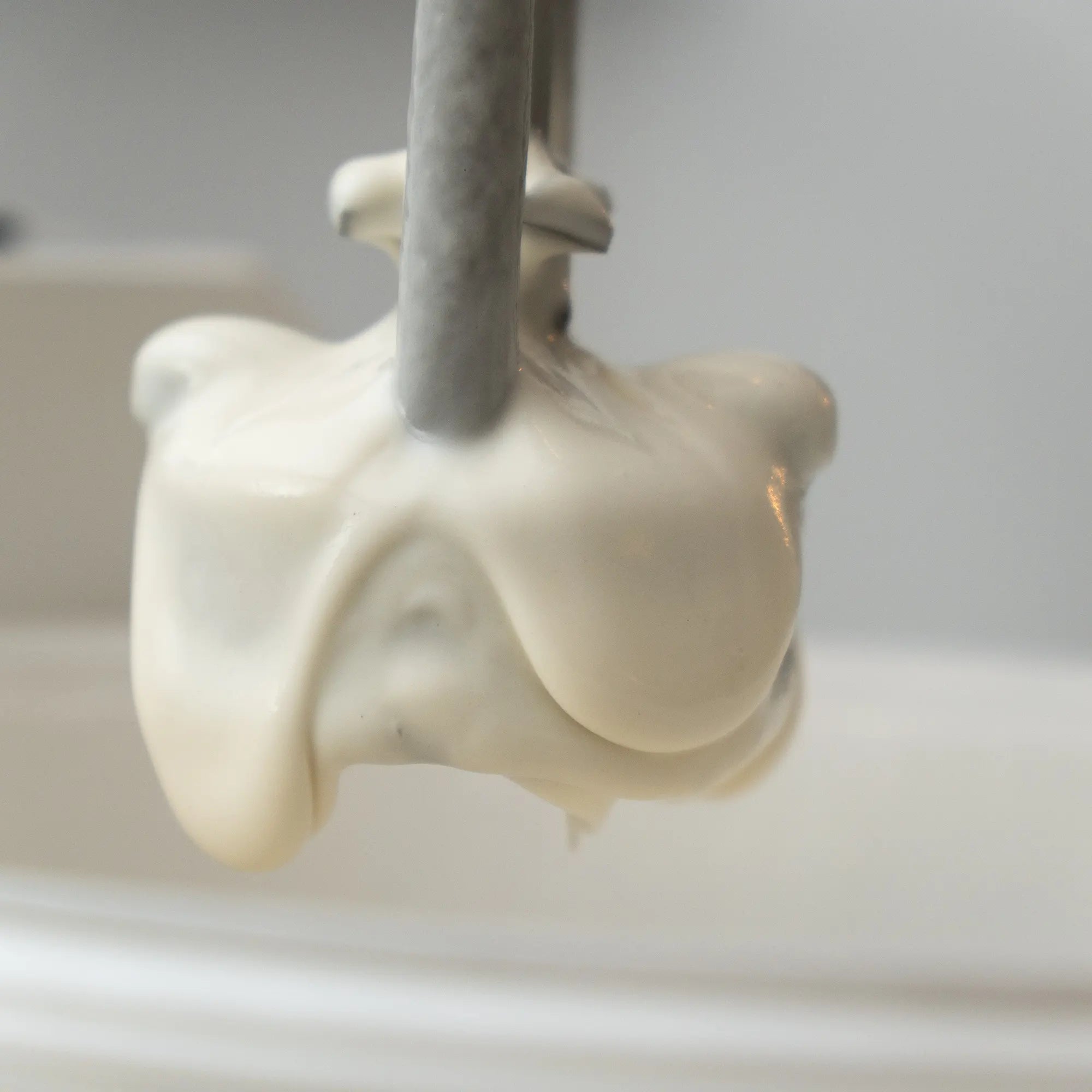
DMS stands for Derma Membrane Structure . DMS creams mimic the skin's natural barrier: They consist of lamellar lipid layers with water-containing substances embedded between them. Phosphatidylcholine binds oil- and water-soluble components as a skin-identical "emulsifier." The difference from classic oil-in-water or water-in-oil emulsions is evident in the INCI name Hydrogenated Phosphatidylcholine .
Skin-identical ingredients in DMS creams containing phosphatidylcholine
- Phosphatidylcholine – basic lipid, precursor of all ceramides
- Ceramides are formed in natural balance by phosphatidylcholine.
- Linoleic acid – found, among other places, in grapeseed or argan oil
- Linolenic acid – e.g. in pomegranate seed, evening primrose or hemp oil
- Squalane – a skin-like lipid building block (e.g., from amaranth seed oil)
- Beta-glucan – binds moisture, soothes and has an anti-inflammatory effect
Benefits of skin-identical DMS creams for sensitive skin
- Optimized skin compatibility – also suitable for highly sensitive skin, rosacea, neurodermatitis, acne or psoriasis.
- Strengthening of the skin barrier – regenerates porous structures, protects against moisture loss.
- Deep penetration – liposomal encapsulation transports active ingredients into deeper layers of the skin and prolongs the duration of action.
- Improved immune protection – allergens, bacteria and irritants are effectively warded off.
- Minimalist formulations – without alcohol, fragrances, common emulsifiers or preservatives.
Frequently asked questions about DMS creams & phosphatidylcholine
What is a DMS cream?
DMS stands for Derma Membrane Structure. DMS creams mimic the lamellar lipid architecture of the skin and thus support the regeneration of the skin barrier – ideal for sensitive, irritated or blemish-prone skin.
What role does phosphatidylcholine play?
Phosphatidylcholine is a skin-identical membrane lipid. It serves as a precursor to all ceramides, reduces TEWL, improves tolerability, and transports active ingredients deeper into the skin via liposomal encapsulation.
What are ceramides – explained simply?
Ceramides are natural skin lipids that act like "glue" between the corneocytes. A balanced ceramide mix keeps the skin barrier intact, prevents irritation, and stabilizes the moisture balance.
For whom are DMS creams particularly suitable?
For very sensitive, dry, oily skin prone to redness or blemishes, as well as for supportive care in cases of rosacea, neurodermatitis, acne or psoriasis.
Are DMS creams free of fragrances and preservatives?
Myrto facial care products are fragrance-free, alcohol-free, and contain no skin-weakening emulsifiers or synthetic preservatives.
Can I combine DMS creams with niacinamide or vitamin C?
Yes. Phosphatidylcholine as a carrier improves the tolerability and penetration depth of many active ingredients, including niacinamide or stable vitamin C derivatives.
How do I apply DMS creams?
Apply a thin layer in the morning and/or evening after gentle cleansing and toner. If needed, apply a UV protectant on top.
Suitable DMS facial care from myrto
Skin-identical, fragrance-free formulations – without alcohol, without classic emulsifiers, without preservatives.

Organic Jojoba DMS Face Cream

Organic Grape Seed DMS Face Cream

Organic Argan DMS Face Cream
👉 You can find all myrto DMS creams in our shop under face creams.