
Wheat proteins - Vegetable keratin for strong & healthy hair
Why Keratin for Hair Care?
Keratin is an endogenous protein and the main component of our skin and hair. About 90% of human hair consists of keratin, which is formed in the hair roots. The remaining 10% is water, color-giving pigments for our hair color, and a natural fatty acid layer that envelops each individual hair fiber.
Keratin is used in hair care because it significantly determines the structure and health of the hair. The fibrous protein keratin, together with the surrounding fatty acid layer, protects the hair from damaging external influences. Keratin ensures that our hair remains elastic, flexible, and at the same time resilient.
How is Keratin Produced?
Keratin in conventional cosmetics is usually derived from animal sources. It is a fibrous protein that comes from animals, and is extracted specifically from hair, feathers, wool, or horns. These animal by-products, mostly from sheep, cows, or chickens, contain the keratin that is then processed for cosmetic applications. In the production of keratin, the animal material is chemically treated to extract the keratin. It is then cleaned and processed through various procedures.
Why Plant-Based Keratin?
Since keratin comes from animal sources, it is not considered vegan. This is one reason why vegan alternatives such as plant-based keratin (e.g., from wheat proteins) are becoming increasingly popular, especially in natural cosmetics. These plant-based alternatives offer similar nourishing and protective properties without resorting to animal ingredients.
What are Wheat Proteins?
Proteins are the essential protein building blocks of all living beings and consist of amino acids. They support cell formation and are essential for metabolic processes and the function of enzymes that accelerate biochemical processes. Wheat germ proteins, also known as plant-based keratin or phyto-keratin, resemble the natural keratin in hair and skin. This vegan active ingredient is widely used in natural cosmetics and can be found under the term "Hydrolyzed Wheat Protein" in ingredient lists. All myrto organic shampoos, conditioners, hair treatments, and finishing sprays contain this valuable ingredient.
How are Wheat Proteins Produced?
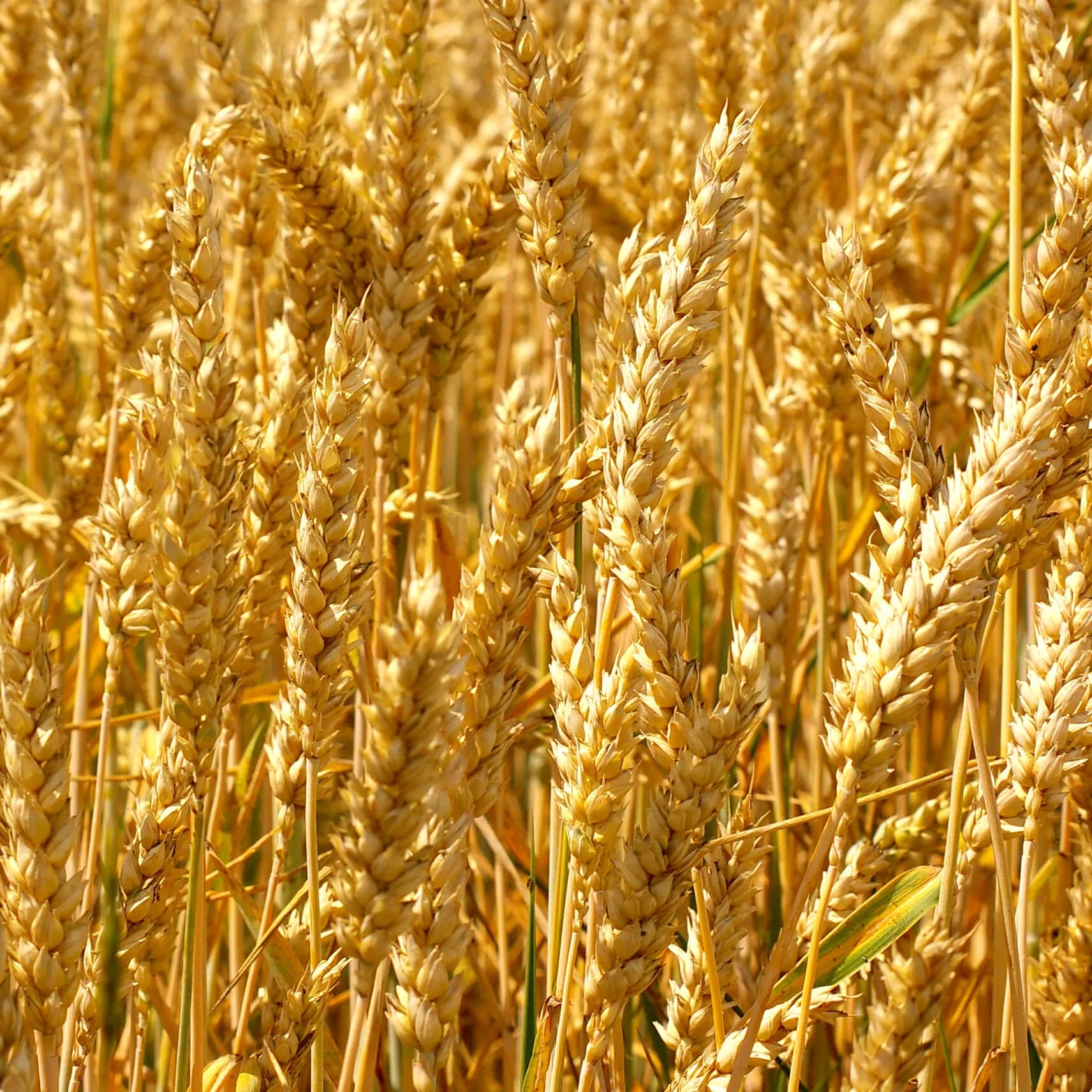
Wheat proteins are naturally extracted from grain kernels and are biodegradable. Hydrolysis produces a slightly yellowish liquid in which the protein is separated from the grain starch and processed into a microfine form. These plant-based keratins form a thin, elastic, and smoothing film on the outer keratin layer of the hair.
Causes of Damaged Keratin Structure
A lack of keratin is rare and usually only occurs with severe malnutrition. Common causes of brittle, dull hair are:
- Chemical treatments (perms, bleaching, hair coloring)
- Aggressive shampoos
- Heat styling (straighteners, curling irons, blow-drying)
- Dry heating air
- Sun exposure, especially in combination with chlorinated or salt water
These factors damage the protective fatty layer and make the underlying keratin porous.
How does the restructuring of damaged hair fibers with wheat proteins work?
- Low molecular weight proteins form a protective film, especially around damaged hair fibers.
- Free amino acids penetrate the hair shaft and regenerate it from within.
- The protein structures improve the hair fiber's ability to retain moisture. They make the hair easier to comb, reduce static electricity, and give a softer hair feel.
- This multi-effect strengthens the hair fiber, reduces hair breakage, improves the hair's resilience, volume, and elasticity.
- Wheat protein stabilizes the hair fiber and also ensures better color retention over several wash cycles for colored hair. This reduces oxidative and UV-induced color loss.
Wheat Protein & Gluten Intolerance
Gluten is a protein found in grains such as wheat, spelt, and rye. For people with gluten intolerance, a gluten-free diet is essential. With cosmetic products applied externally, there is no evidence of health risks. Caution is only advised for products that could be ingested orally (e.g., lip care). Since shampoo normally does not get into the mouth, the use of products with wheat proteins is unproblematic for gluten intolerance.